
Robert Musil (1880–1942) was an Austrian writer and essayist whose work tries to look directly at modern life without simplifying it into slogans or heroes.
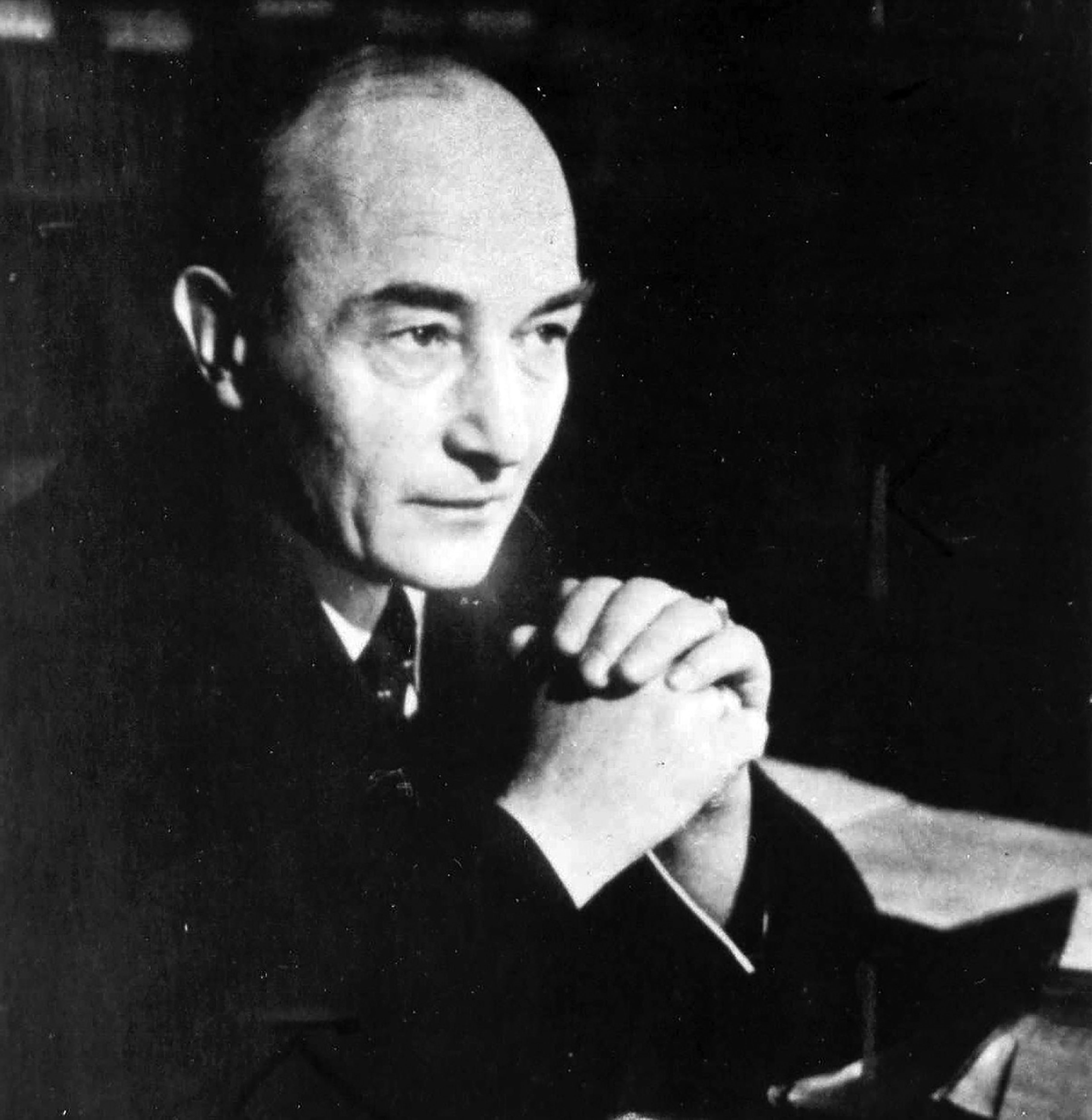
Robert Musil photograph from 1930 - wikipedia 
He is best known for The Man Without Qualities (*Der Mann ohne Eigenschaften*), a vast novel of ideas set in Vienna in 1913, as the Austro-Hungarian Empire performs confidence while quietly approaching the First World War. Musil’s style is often described as clinical and philosophical, but the engine of the book is emotional and moral: how do people live when old certainties still dominate public life, yet no longer convince the private mind.
# Unfinished
Musil worked on *The Man Without Qualities* for more than two decades, beginning in the early 1920s and continuing until his death in 1942 - wikipedia
Two large instalments appeared during his lifetime (Volume 1 in 1930, Volume 2 in 1933), but the project remained open-ended, with Musil revising, restructuring, and even withdrawing chapters rather than letting them stand as final.
The unfinished state was not only artistic. The book did not bring him financial security, and the 1930s were harsh on writers who did not fit the political climate. Musil’s works were banned under the Nazi regime, and after the Anschluss in 1938 he and his wife went into exile in Switzerland, where he kept writing under constrained circumstances until he died - wikipedia
After his death, his widow Martha edited and published substantial material from his literary remains, which is one reason readers sometimes talk about the work as a “trilogy”: two published volumes plus a posthumous volume of drafts and directions - wikipedia
# A lived life
Musil did not invent the atmosphere of pre-war Vienna from a distance. He lived and worked in the Austro-Hungarian world that the novel satirises, and he watched the imperial culture of titles, committees, and grand gestures from the inside - wikipedia
The novel’s setting (1913, with public plans stretching ahead to 1918) is pointedly close to the edge of the war. Musil then experienced the war directly: he served as a soldier through the First World War, including service on the Italian front, and later worked as a propaganda editor - 1914-1918-online.net
So the book is both immediate and retrospective. It captures the pre-war mood as someone who knew the rooms, the manners, and the self-deceptions, and it also carries the later knowledge of collapse: that the confident talk would not survive contact with history.
Musil’s distinctive achievement is that he does not treat that collapse as a simple moral lesson. He treats it as a failure of imagination, language, and civic seriousness: a society that could not tell the difference between ceremony and reality, between cleverness and wisdom, between power and responsibility - britannica.com